Gyaros is an oasis of wild nature and life that few know about.
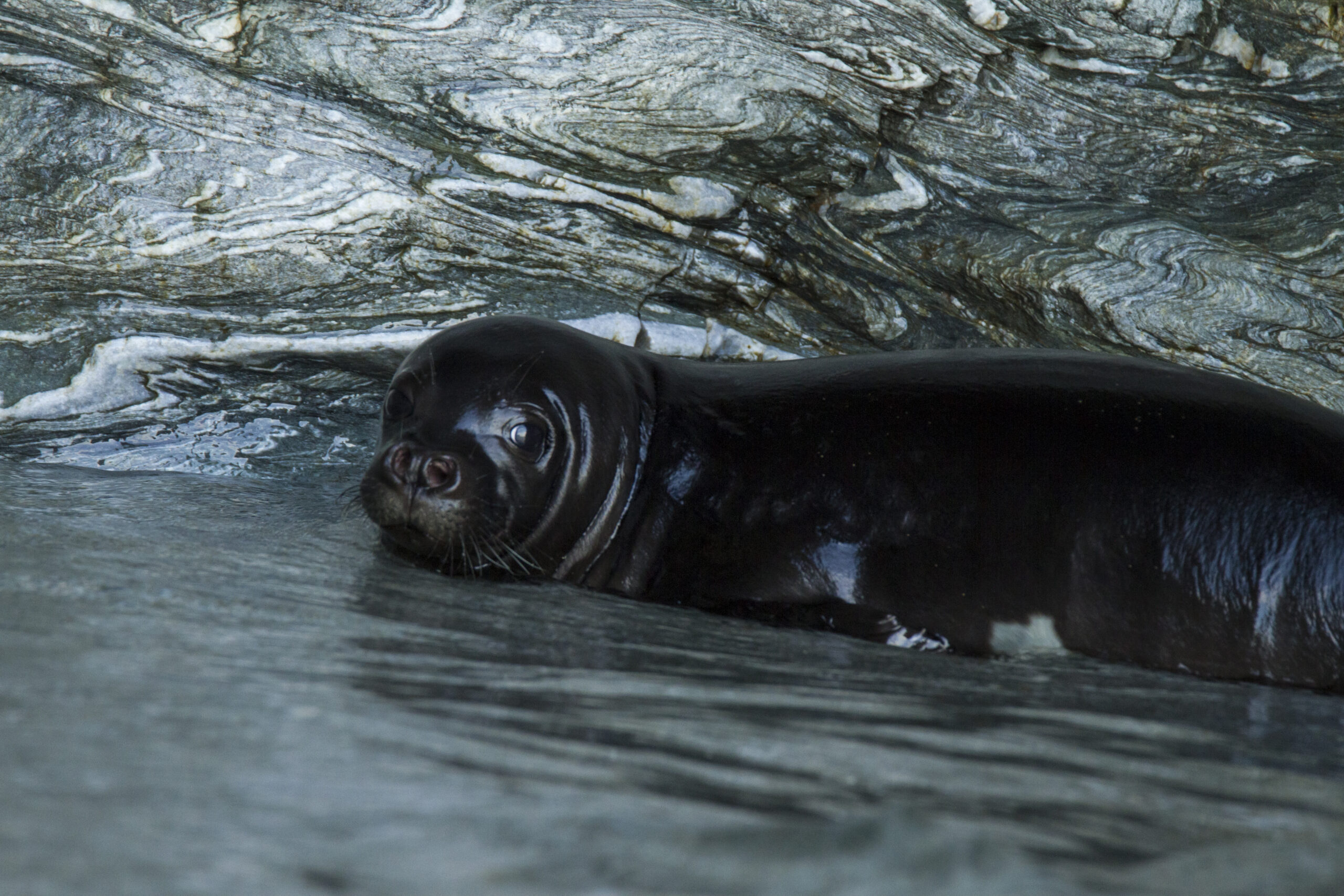
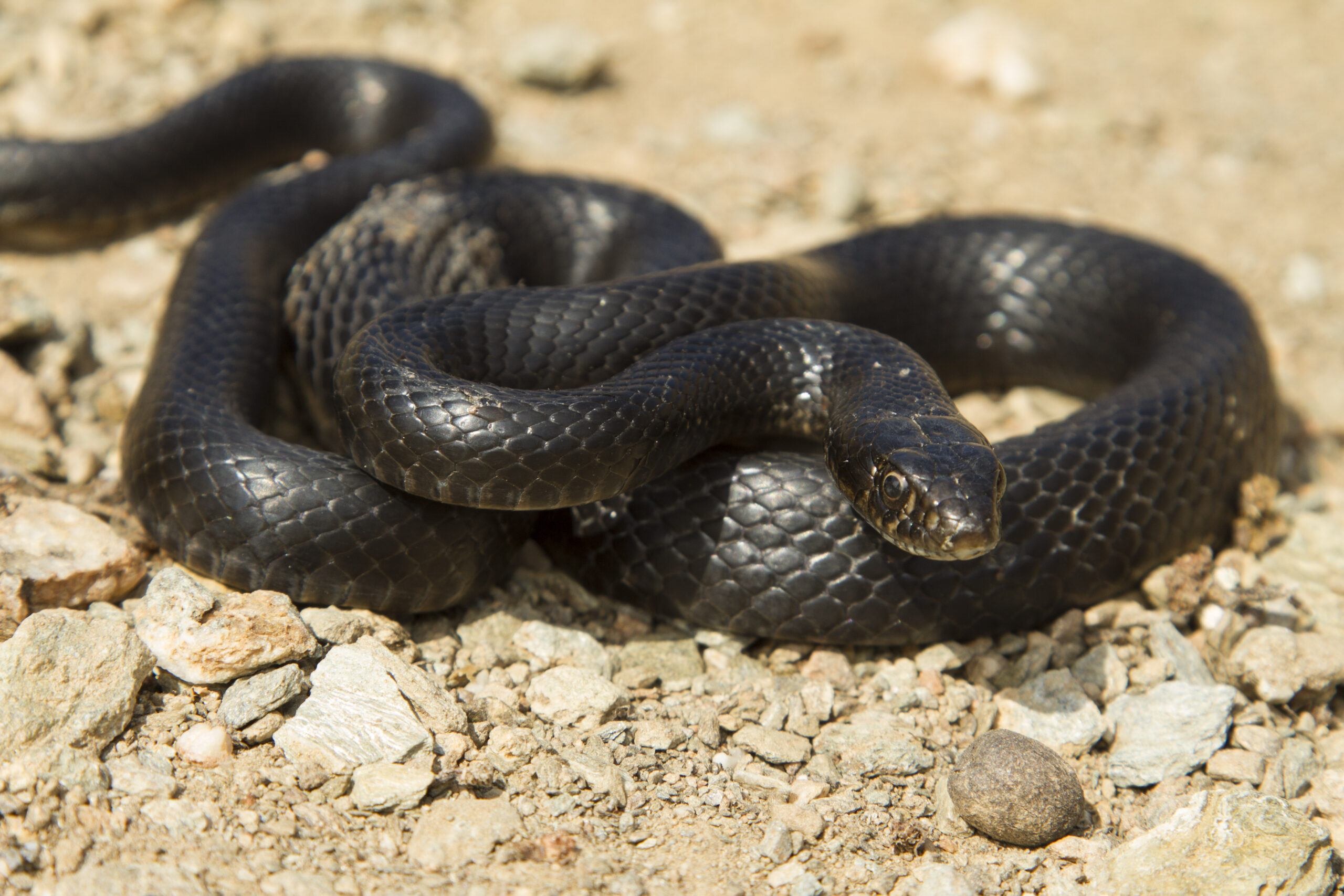
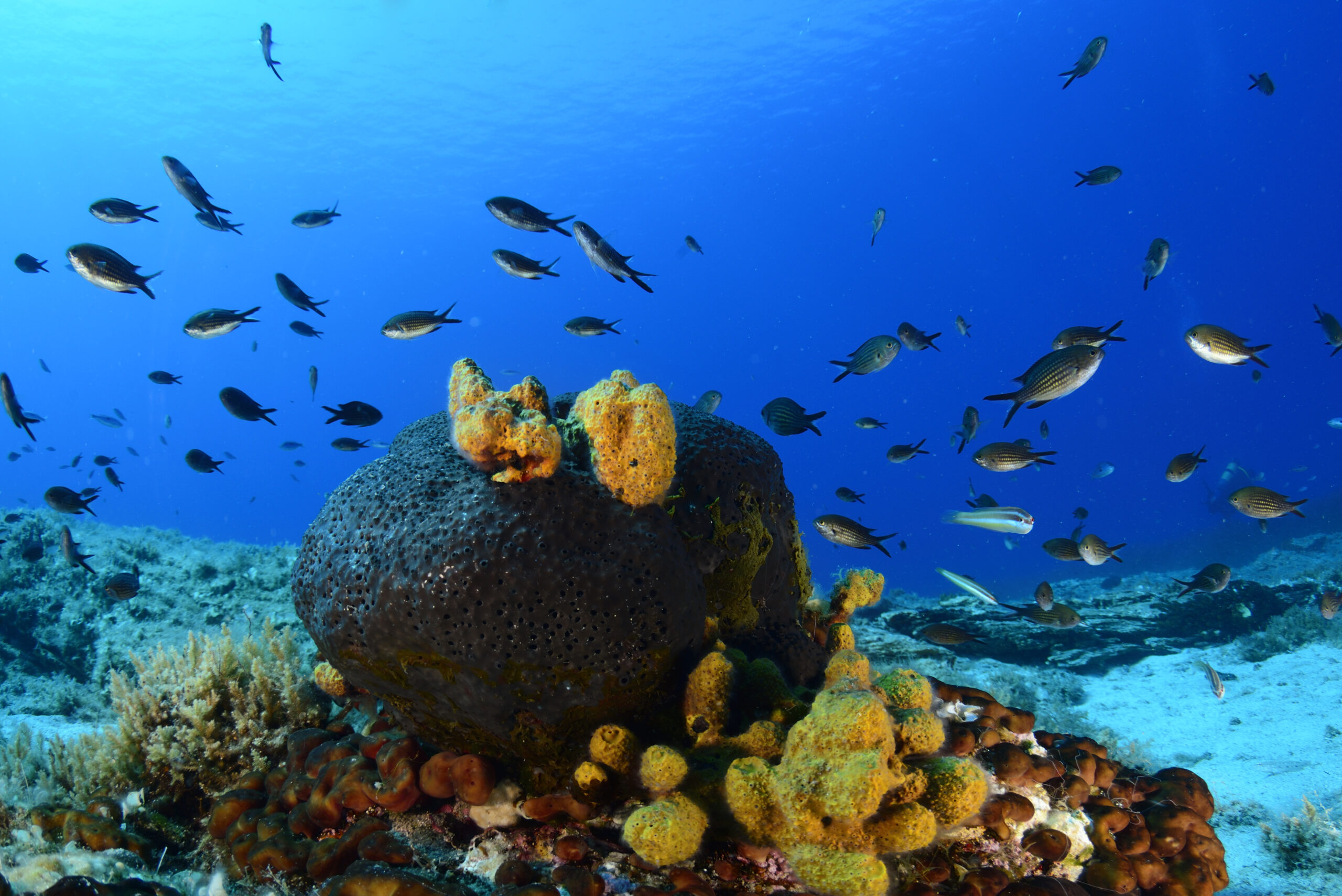
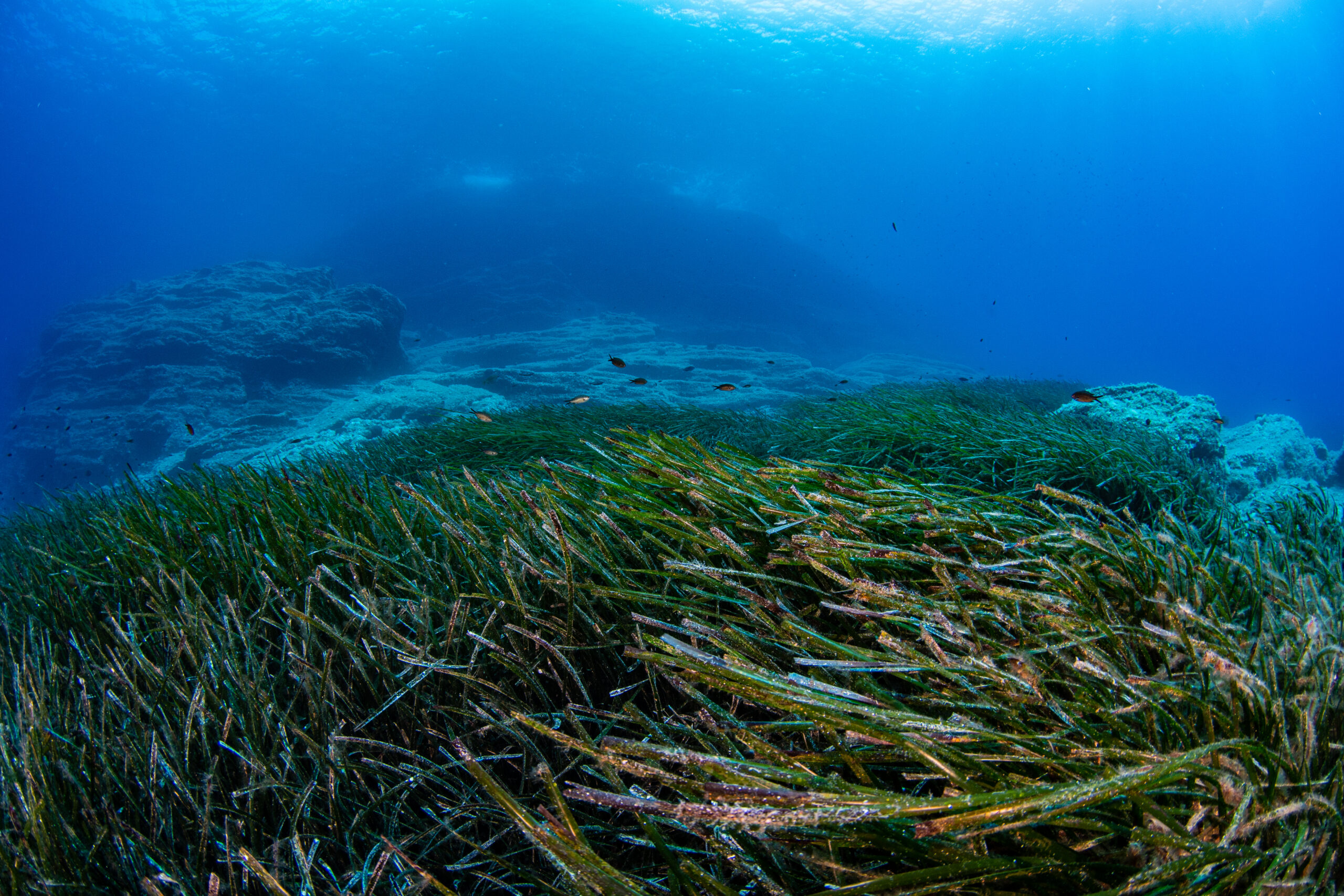
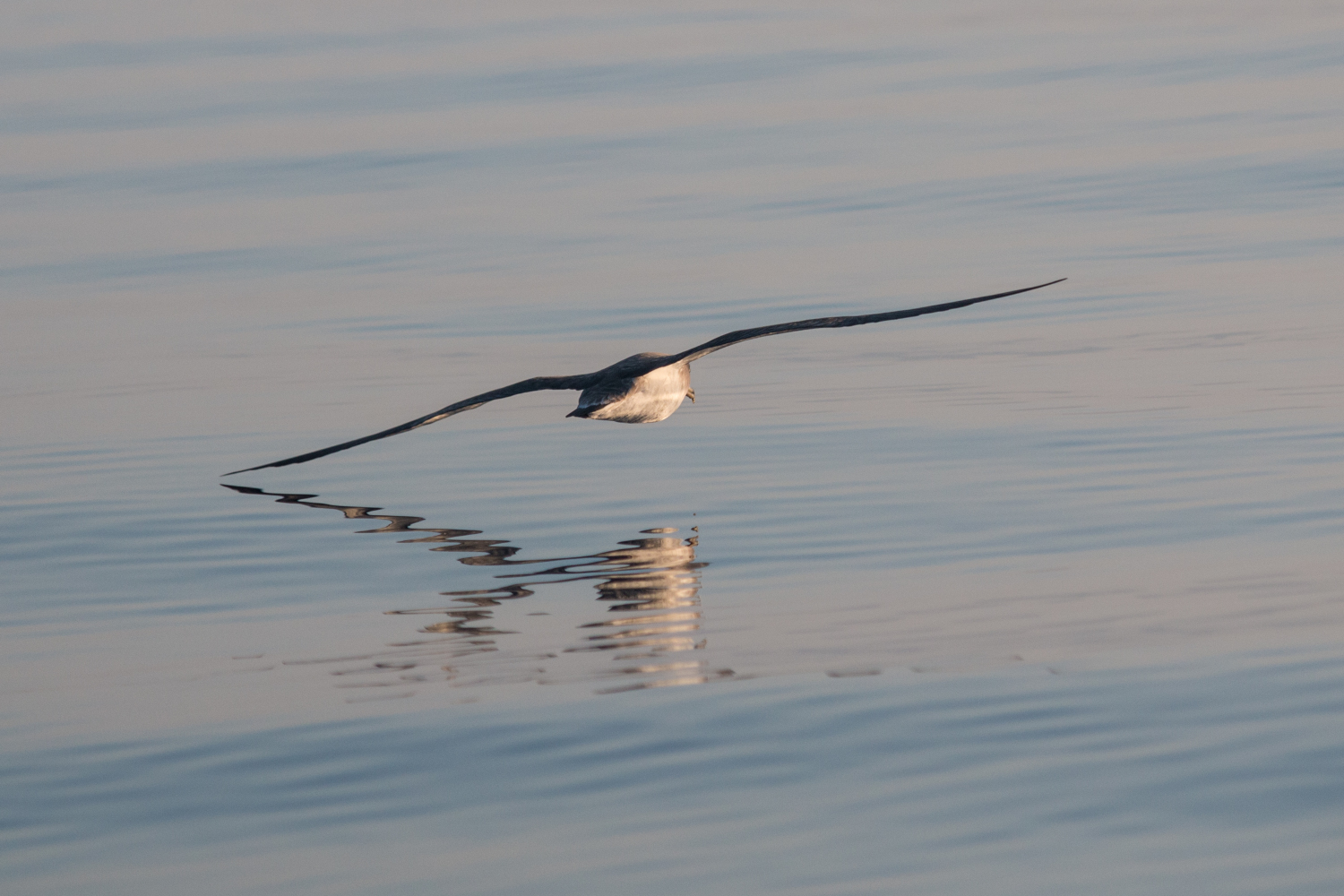
About 10% of the world population of the Mediterranean seal (Monachus monachus) live and breed on the island’s beaches and Yelkouan shearwaters (Puffinus yelkouan) nest in burrows at steep, rocky slopes, in the world’s second-largest colony for the species. Many more seabirds nest in the island. The Posidonia meadows and the coral “gardens” make up a life-giving ecosystem in which hundreds of organisms find refuge and “breathe” under the sea’s surface. The land hosts a rich bio-community, where only here will you meet the Black snake of Gyaros. Since 2011, the importance of the biodiversity of Gyaros has been recognized and the island and the marine area around it have been formally included in the pan-European network of Natura 2000 protected areas.
However, the effort to further protect the island did not stop there. The “Co-Management Committee of Gyaros” had a vision of creating a model marine protected area and proposed measures to preserve and manage the Gyaros ecosystem. The aim is to effectively protect the natural environment of the island and to support the wider area’s sustainable development.
In 2019, the Greek State adopted these measures and Gyaros was formally established as a Marine Protected Area. In April 2026, the relevant Presidential Decree (PD) was signed, officially establishing permanent protection zones as well as specific management measures.
Based on the Presidential Decree, the Marine Protected Area is designated as the Biodiversity Protection Area “Gyaros Island and Marine Zone“, and the following Zones are established:
a) Three (3) Strict Nature Protection Zones (SNPZ)
b) Three (3) Nature Protection Zones (NPZ)
c) One (1) Habitat and Species Conservation Zone (HSCZ)
d) One (1) Sustainable Management of Natural Resources Zone (SMNRZ)
Within the Protected Area, visitor access is determined by zone, as described below:
Strict Nature Protection Zone of western and northern Gyaros (SNPZ-02)
Visitor access is not permitted
Works aimed at restoring, improving and conserving the natural environment, habitat types, and species of flora and fauna, as well as scientific research,are permitted
Strict Nature Protection Zone of Fouis islet, Gyaros (SNPZ-03)
Visitor access is not permitted
Works aimed at restoring, improving and conserving the natural environment, habitat types, and species of flora and fauna, as well as scientific research, are permitted
Nature Protection Zone of eastern Gyaros (NPZ-01)
Hiking and the use of existing paths are permitted, provided that the protection of the area’s important habitat types and species is ensured
Environmental education, information and awareness-raising activities are permitted, as well as the installation and maintenance of environmental interpretation works and light infrastructure supporting such activities, in particular information signs, outdoor environmental education areas, scientific equipment, wooden shelters, observatories, and boundary marking of protection zones and paths
The use and maintenance of existing religious sites are permitted
Nature Protection Zone of Glaronisi islet, Gyaros (NPZ-02)
Visitor access is not permitted
The use of piers for access to the specific zone is permitted only for protection and management purposes
Works aimed at restoring, improving and conserving the natural environment, habitat types, and species of flora and fauna, as well as scientific research, are permitted
Sustainable Management of Natural Resources Zone of the Historic Site of Gyaros (SMNRZ-01)
Hiking and the use of existing paths are permitted, provided that the protection of the area’s important habitat types and species is ensured
Environmental education, information and awareness-raising activities are permitted, as well as the installation and maintenance of environmental interpretation works and light infrastructure supporting such activities, in particular information signs, outdoor environmental education areas, scientific equipment, wooden shelters, observatories, and boundary marking of protection zones and paths
The use and maintenance of existing religious sites are permitted
Marine Zones
Strict Nature Protection Zone of the marine and coastal zone of Gyaros (SNPZ-01)
from the shore up to 0.25 nautical miles, where the following provisions apply
Any form of fishing is prohibited
The passage of vessels conducting protection, management, or scientific research actions is permitted
The passage of recreational vessels and commercial fishing vessels is not permitted
Nature Protection Zone of the marine foraging area for Mediterranean monk seals and seabirds of Gyaros (NPZ-03)
from 0.25 to 1.5 nautical miles from the shore
Any form of fishing is prohibited
The passage of vessels for environmental education and nature observation purposes is permitted only during daytime
Anchoring is permitted only for vessels conducting protection, management, or scientific research actions, at eco-moorings specifically installed for the protection of Posidonia seagrass meadows
Habitat and Species Conservation Zone of the wider marine area of Gyaros (HSCZ-01)
with its outer boundary at 3 nautical miles from the shore
Any form of fishing is prohibited
The passage of motorized vessels is permitted
The use of existing pier facilitiesis permitted
Anchoring is permitted only at eco-moorings specifically installed for the protection of Posidonia seagrass meadows
Swimming is permitted
Natura 2000 area
The protected area of the Natura 2000 network, SAC-SPA “Gyaros Island and Marine Zone” (Code: GR4220033), has a total area of 260.37 km2, of which 93.2% corresponds to the marine area around the island of Gyaros.
An abundance of flora and fauna species has been recorded in Gyaros:
about 240 species and subspecies of flora, including the endemic species of the western Cyclades Fritillaria obliqua subsp. tuntasia.
2 protected mammal species, the Mediterranean monk s eal and the Common Bottlenose Dolphin.
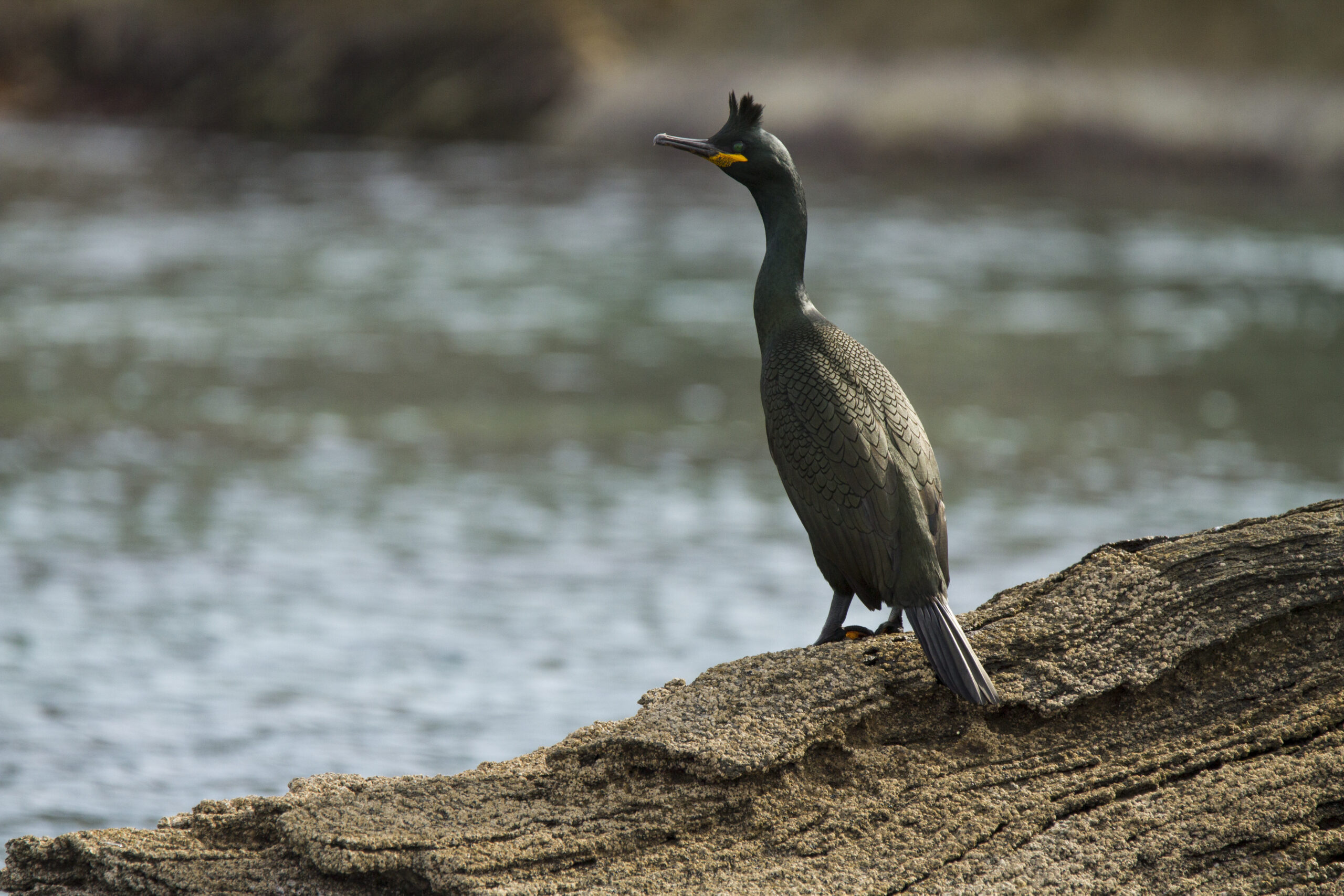
more than30 species of avifauna – important breeding species are the Yelkouan shearwater, the European shag, the Bonelli’s eagle, the Eleonora’s falcon and the Long-legged buzzard.
5 species of reptiles, including the Black Gyaros snake, a species whose population can only be found in Gyaros in Greece.
at least 45 species of invertebrates – about 23 species of beetles, 5 species of centipedes, 8 species of spiders, 1 species of scorpion and 20 species of land molluscs, including 19 land snails and 1 freshwater snail.
a multitude of fish species, such as Mediterranean parrotfish, Goldblotch grouper, Salema porgies, Dusky spinefoot, Saddled seabreams, Common two-banded sea breams and Striped red mullets.
A total of sixteen (16) natural habitat types are recorded in the protected area, of which 13 are from Annex I of Directive 92/43/EEC and three (3) are of national importance (National Cadastre and Mapping Agency S.A., 2016):
9620: River bed without vegetation (national interest)
9320: Olea and Ceratonia forests
8260: Adiantetalia: Acrocladio-Adiantetum in slate (national interest)
8250: Rocky substrate not covered by vegetation (national interest)
6220*: Pseudo-steppe with grasses and annuals of the Thero-Brachypodietea
5420: Sarcopoterium spinosum phryganas
5330: Thermo-Mediterranean and pre-desert scrub
3140: Hard oligo-mesotrophic waters with benthic vegetation of Chara